The eyewear industry is undergoing a remarkable transformation, driven by the rapid advancement of technology. In particular, AR solutions are revolutionizing the way B2B eyewear companies operate. With virtual try-on technology, distributors can improve the efficiency of their salesman, reach a wider array of clients and position themselves above the competition.
In this blog post, we will explore the exciting possibilities and benefits of virtual try-on for B2B eyewear companies, and how it is reshaping the eyewear landscape.
1. Portable Product Showcase
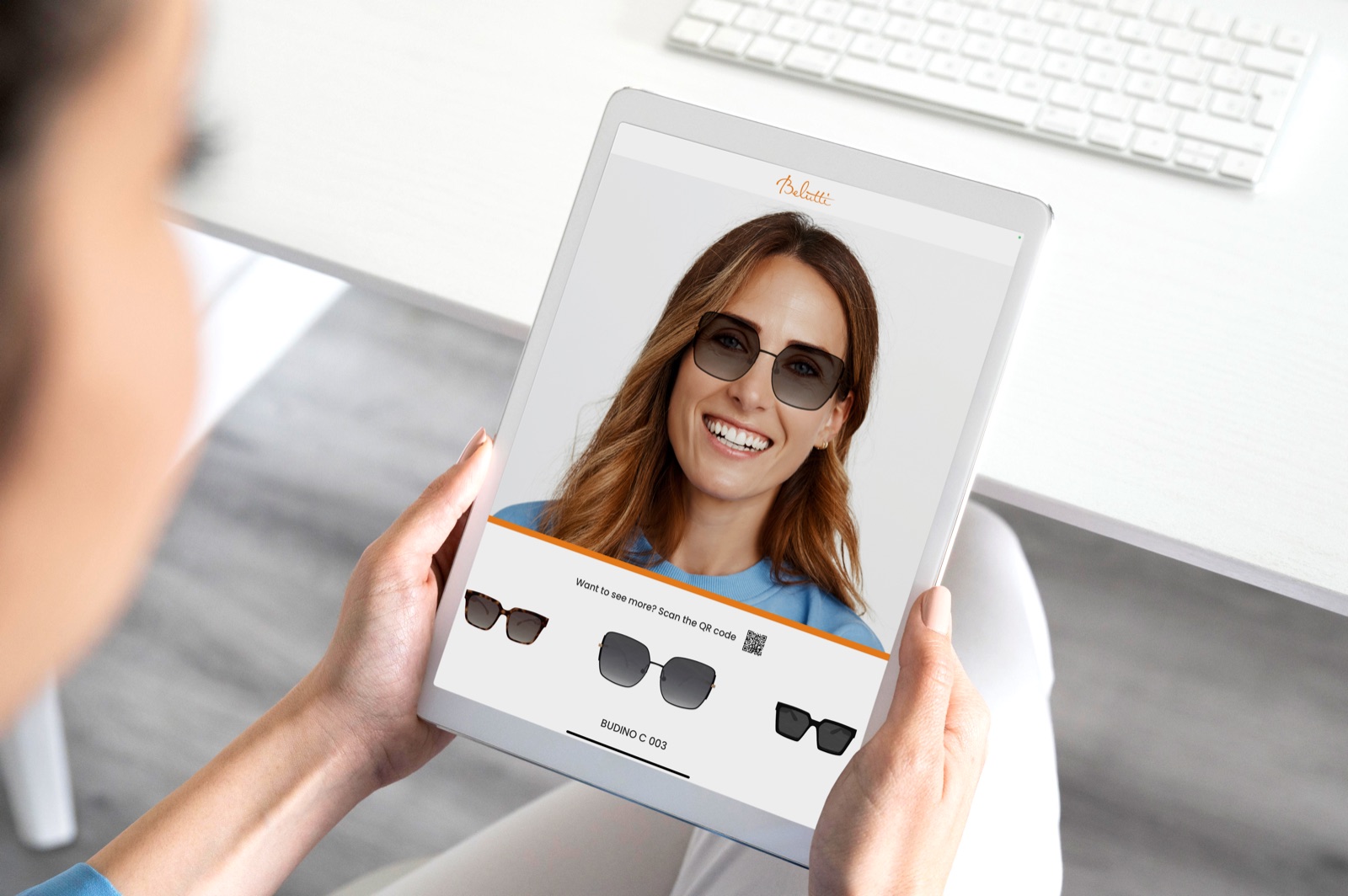
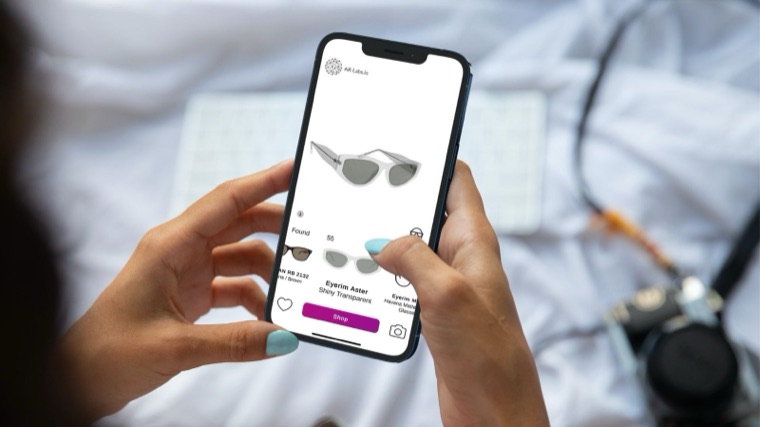
With a virtual try-on app, salespeople no longer need to lug around heavy bags of product samples. Instead, they can simply carry a tablet or smartphone with the app installed. This portable solution allows salespeople to showcase the entire product range, providing customers with a comprehensive overview of available options
2. Overcoming Inventory Limitations
Carrying a limited amount of physical inventory can restrict the salesperson’s ability to meet diverse customer preferences. Virtual try-on apps overcome this limitation by providing access to a virtually unlimited range of products. Salespeople can demonstrate various styles, sizes, and variations, ensuring that customers have ample options to choose from. This versatility not only expands the sales potential but also demonstrates the salesperson’s commitment to meeting the customer’s needs.
3. Brand Differentiation and Competitive Advantage
In a competitive B2B eyewear market, virtual try-on technology offers a distinct advantage to companies that embrace it. By integrating virtual try-on into their services, B2B eyewear companies can differentiate themselves from competitors and position themselves as innovative leaders. Providing B2B clients with cutting-edge tools that enhance their customers’ shopping experiences elevates the overall brand image, attracting new clients and fostering long-term partnerships.
4. Empowering B2B Customers
Virtual try-on technology empowers B2B customers, such as retailers and opticians, to offer their clients an immersive and personalized shopping experience. By integrating virtual try-on tools into their platforms, B2B companies can provide their clients with the means to virtually try on glasses frames and see how they look on their customers in real-time. This interactive experience enhances customer engagement and increases the likelihood of successful sales.
5. Interactive Product Demonstrations
Virtual mirrors on tablets enable distributors to offer interactive product demonstrations at fairs. Visitors can use the virtual mirror to see themselves wearing different products or experiencing various solutions in real-time. Whether it’s trying on clothing, applying cosmetics, or visualizing how furniture would look in their space, the interactive nature of virtual mirrors engages visitors, capturing their attention and creating a memorable experience.
6. Seamless Integration with E-commerce
Virtual try-on can seamlessly integrate with e-commerce platforms, allowing customers to make purchases directly from the virtual try-on experience. By providing a streamlined and frictionless purchasing process, distributors can leverage virtual try-on to drive sales conversions. Customers can try on products virtually, select their preferred options, and proceed to checkout with a much greater trust in the product. This integration enhances the customer journey, reduces purchase barriers, and increases conversion rates.
7. Influencer Marketing and User-Generated Content
Virtual try-on provides an excellent opportunity for distributors to collaborate with influencers and leverage user-generated content. Influencers can showcase the virtual try-on experience with their audience, demonstrating the ease of use and the benefits of the products. User-generated content, such as videos and images of customers using virtual try-on, adds authenticity and social proof to the marketing efforts. This collaborative approach amplifies the reach and impact of marketing campaigns, attracting new customers and enhancing brand credibility.
8. Product Sampling for Wholesale Customers
B2B distributors can use VTO technology to provide product sampling experiences for their wholesale customers. Instead of physically shipping samples, distributors can offer virtual try-on experiences tailored to the specific needs of their clients. This allows wholesale customers to virtually visualize and assess the products, enabling them to make informed purchasing decisions without the need for physical samples. VTO technology saves time, reduces shipping costs, and expedites the ordering process for B2B transactions.
9. Collaborative Design and Feedback
Employ AR technology to facilitate collaborative design processes with their business clients. By sharing virtual product models, clients can provide feedback, make design suggestions, and iterate on prototypes without the need for physical iterations. This streamlined collaboration improves communication, accelerates the design cycle, and ensures that the final product meets the client’s specifications and expectations.
10. 3D Models
Distributors can utilize 3D models to create virtual product showcases or catalogs. By showcasing their entire range of glasses through high-quality 3D models, distributors can provide an immersive and engaging browsing experience to their customers. Virtual product showcases allow customers to explore different designs, view glasses from different angles, and access detailed information about each model. This digital approach saves costs associated with physical product displays and expands the reach of the distributor’s offerings.
Empower Your B2B Business with Virtual Try-On
Virtual Try-On technology has revolutionized the eyewear industry for B2B distributors. With portable product showcases, expanded inventory options, and improved customer experiences, VTO offers a competitive edge. Seamless integration with e-commerce, influencer collaborations, and virtual product sampling further enhance sales and marketing efforts. By leveraging VTO, B2B distributors can differentiate themselves, streamline collaborations, and stay at the forefront of the industry. Embracing VTO is a strategic decision that empowers distributors to thrive in the evolving eyewear landscape.
Interested in learning how AR can benefit your B2B business? Contact us => letstalk@ar-labs.io